
How Long Do You Have to File a Roof Insurance Claim in Missouri?
After a storm hits Southwest Missouri, many homeowners focus on visible damage and immediate concerns. What often gets overlooked is timing.
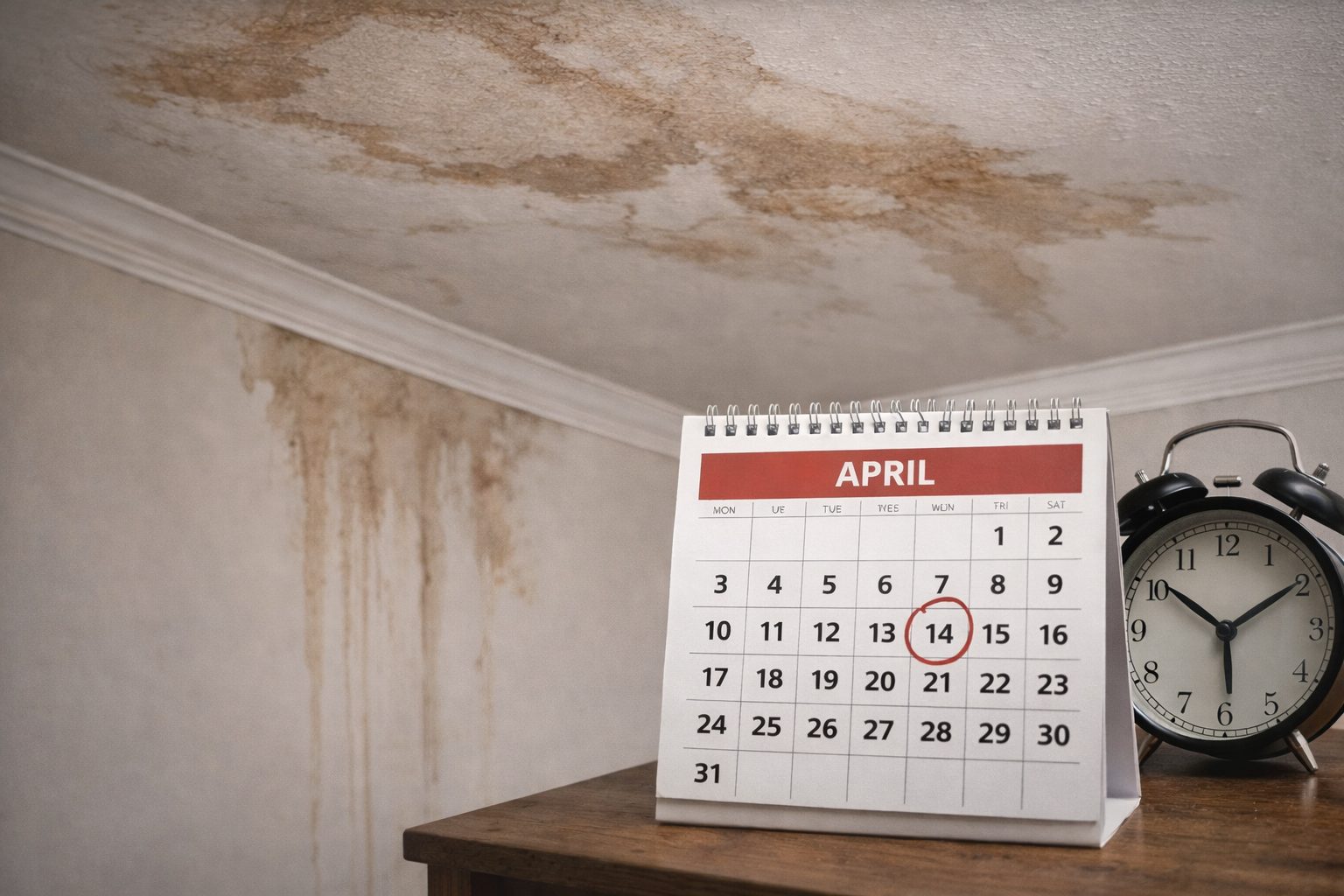
Insurance claims are not open-ended. Every policy includes a deadline for reporting storm damage, and waiting too long can affect whether a claim is approved.
Understanding how these timelines work can help you avoid unnecessary issues and make more informed decisions after a storm.
Why Timing Matters After a Storm
Storm damage does not always show up right away. In many cases, issues develop over time as weakened materials are exposed to sun, wind, and rain.
Because of this, some homeowners delay taking action, assuming everything is fine until a leak or other problem appears.
However, insurance companies typically require that damage be reported within a certain time frame from the date of the storm, not from when the damage becomes noticeable.
Typical Claim Timeframes in Missouri
While every policy is different, many homeowners in Missouri have policies that require storm damage claims to be filed within a limited period.
Common timeframes include:
– 6 months from the date of loss
– 12 months from the date of loss
The “date of loss” refers to the date the storm occurred, not the date the issue was discovered.
Because policies can vary, it is always important to review your specific coverage or speak with your insurance provider to confirm your timeline.
What Happens If You Wait Too Long
Delaying action after a storm can create several challenges.
These may include:
– Difficulty proving that damage was caused by a specific storm
– Claims being reduced or denied due to time limitations
– Additional damage occurring that complicates the situation
Even if the damage is legitimate, the ability to connect it to a specific event becomes harder over time.
How to Verify the Storm Date
One of the most important steps in the process is confirming when the storm actually occurred.
You can use the Extreme Weather Report to identify verified storm activity tied to your address:
https://www.advancedrestorationsmo.com/extreme-weather-report/
This can help establish a timeline and provide useful context if you are considering filing a claim.
Why Early Evaluation Helps
Having your roof evaluated soon after a storm provides several advantages.
It allows you to:
– Identify damage before it worsens
– Document conditions while they are still recent
– Make informed decisions about repairs or claims
Even if no major issues are found, it gives you a clear understanding of your roof’s condition moving forward.
What to Look for Before Filing
Before deciding whether to file a claim, it is helpful to understand what condition your roof is in.
You can start by checking for:
– Missing or displaced shingles
– Dents in gutters or metal components
– Signs of water entry inside the home
You can also review storm-related damage information here:
https://www.advancedrestorationsmo.com/storm-damage/
What to Do Next
If your home has been exposed to recent storms, it is important to stay within your policy’s timeline while also making sure you have the right information.
Start by confirming storm activity, checking for visible signs, and having the property evaluated if needed.
If you would like a professional inspection, you can request one here:
https://www.advancedrestorationsmo.com/
A thorough inspection can help document your roof’s condition and give you the information you need to decide on next steps.
Schedule a Free Inspection
Mar. 17, 2026
How Long Do You Have to File a Roof Insurance Claim in Missouri?
Mar. 10, 2026
What to Do Immediately After a Storm Before Filing an Insurance Claim
Mar. 03, 2026
The Most Common Signs of Hidden Roof Damage After a Storm
Feb. 24, 2026
How to Tell If Your Home Was Hit by a Storm in Missouri
Feb. 17, 2026